

Spinal stress often develops quietly through habits that feel normal and harmless. Unlike sudden injuries, these patterns build tension slowly and are easy to ignore. Over time, the spine adapts to these positions, which can lead to discomfort, stiffness, and reduced movement.
Why Subtle Postural Habits Matter More Than You Think
Posture is shaped by what the body does most often, not by a single bad movement. Small habits repeated daily create ongoing pressure that the spine must absorb. Understanding this process helps explain why discomfort can appear even without a clear cause.
The spine is designed to move and adjust, but it also responds to constant patterns. When those patterns include uneven weight or poor alignment, stress builds in specific areas. This gradual strain often goes unnoticed until symptoms become harder to ignore.
How Repetition Shapes Spinal Alignment
The spine adapts to repeated positions, even when those positions are slightly off balance. Over time, muscles shorten or weaken based on how they are used most often. This shifts spinal alignment and changes how weight moves through the body.
Once alignment changes, joints and discs must handle pressure differently. This can limit movement and increase tension during everyday tasks. What started as a minor habit can slowly affect overall posture.
Muscle Imbalances and Uneven Load Distribution
Muscles work in pairs to keep the spine upright and stable. When one side works more than the other, imbalance develops. This pulls the spine away from neutral and increases joint stress.
Uneven muscle tension also changes how the body moves. Some areas work harder to compensate, which leads to fatigue and strain. Over time, this pattern becomes harder to correct without awareness or support.
Everyday Habits That Quietly Strain the Spine
Many postural habits happen without conscious thought. They develop through comfort, routine, or convenience. Although subtle, these behaviours place repeated stress on the spine throughout the day.
- Sitting With a Slight Forward Head Position
A forward head position adds extra load to the neck and upper back. Even a small shift forward increases strain on spinal joints and muscles. Over time, this leads to stiffness and reduced neck mobility.
This habit is common during computer use and phone scrolling. The longer the position is held, the more tension builds. Regular posture checks can help reduce this ongoing stress.
- Leaning More on One Hip While Standing
Standing with weight on one hip may feel relaxed, but it creates imbalance. The pelvis tilts, which affects the lower spine. This uneven loading increases pressure on one side of the body.
Over time, this habit can lead to hip tightness and lower back discomfort. The spine works harder to stay upright. Shifting weight evenly helps reduce this strain.
- Crossing the Same Leg Repeatedly
Crossing one leg twists the pelvis slightly each time. When done often, this repeated twist affects spinal alignment. The lower back and hips take on uneven pressure.
This habit can also restrict blood flow and increase muscle tension. Switching positions regularly helps limit these effects. Awareness is key to reducing long-term impact.
- Slouching Slightly While Using a Phone or Tablet
A small forward curve in the upper back adds stress to the spine. Over time, this position affects the natural curve of the neck and shoulders. Muscles must work harder to support the head.
This habit often lasts longer than intended. Minutes turn into hours without movement. Frequent breaks and posture resets help protect spinal health.
- Sleeping in a Twisted or Unsupported Position
Sleep is when the spine should recover from daily stress. Poor sleep posture prevents proper muscle relaxation. Twisted positions can strain joints for several hours at a time.
Without proper support, discs remain compressed overnight. This can lead to morning stiffness and soreness. Choosing supportive sleep positions helps reduce this strain.
Work and Lifestyle Habits That Increase Spinal Stress
Daily routines often involve repetitive movements and fixed positions. Over time, these patterns affect posture and spinal load. Small adjustments can reduce long-term stress.
Work habits, in particular, shape posture for many hours each day. Lifestyle choices outside of work also play a role. Together, they influence spinal health more than most people realize.
- Reaching Forward to a Keyboard or Mouse
Reaching forward pulls the shoulders out of alignment. This shifts the upper spine and increases neck tension. Over time, muscles in the chest tighten while upper back muscles weaken.
Desk setup strongly affects this habit. When tools are too far away, the body leans forward. Bringing items closer supports better posture throughout the day.
- Carrying Bags on One Shoulder
Carrying weight on one side creates uneven spinal load. The body leans to compensate, which strains muscles and joints. This imbalance becomes more pronounced with heavier bags.
Over time, shoulder and back tension may develop. Switching sides or using backpacks helps distribute weight evenly. Small changes reduce ongoing strain.
- Standing or Walking with Poor Core Engagement
The core helps support the spine during movement. When it is not engaged, the spine absorbs more impact. This increases compression, especially in the lower back.
Poor core use often goes unnoticed. Fatigue and discomfort may be the first signs. Simple awareness during standing and walking can help reduce stress.
Early Warning Signs of Postural Spinal Stress
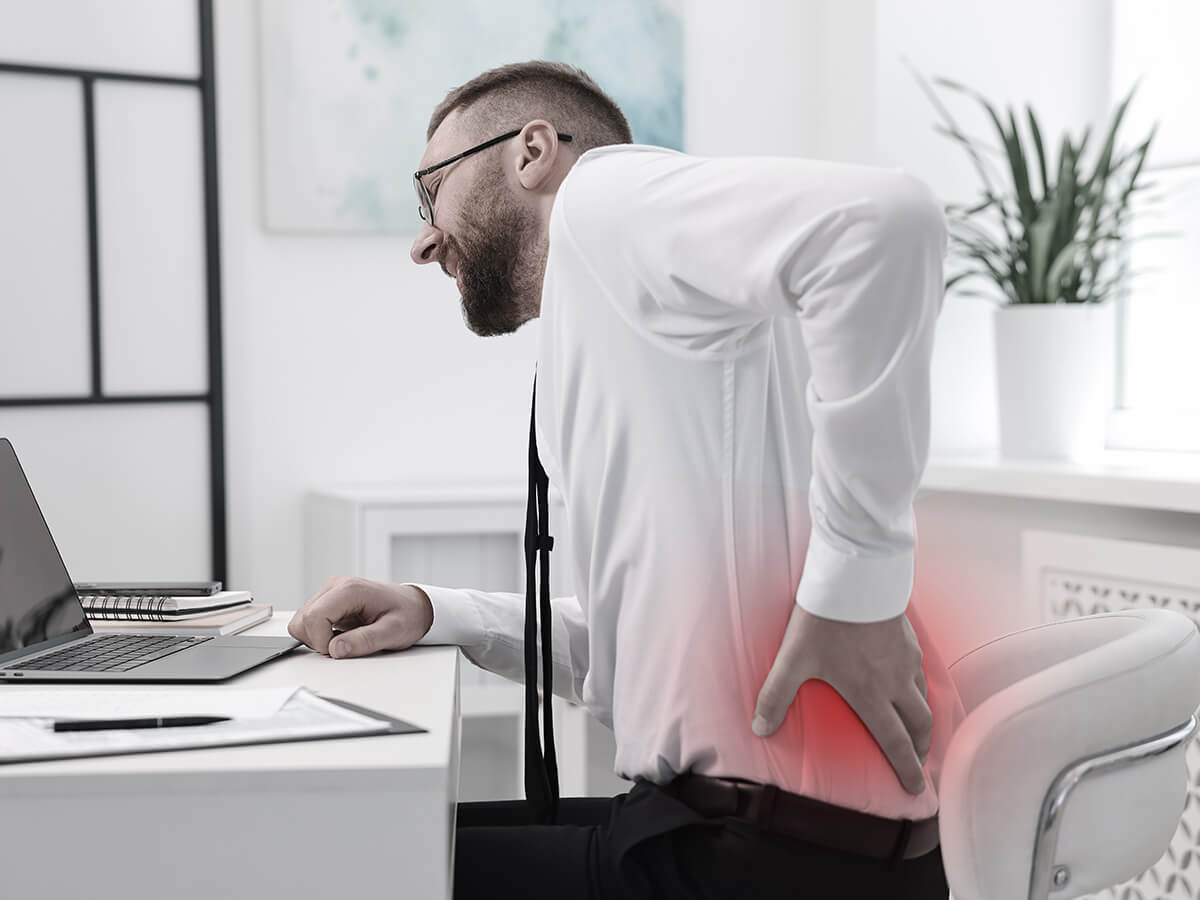
The body often sends signals before pain becomes severe. These signs may seem minor at first. Paying attention early helps prevent ongoing issues.
Symptoms may not appear where the problem started. Spinal stress often shows up as tension, fatigue, or imbalance elsewhere. Recognizing these signs supports early action.
- Persistent Stiffness or Tightness
Muscles tighten to protect stressed joints. This limits movement and increases discomfort. Stiffness often appears after rest or long periods in one position.
Over time, reduced flexibility affects daily activities. Movement becomes less smooth and more effortful. Addressing posture helps ease this tension.
- Uneven Shoulder or Hip Height
Visible asymmetry often reflects underlying imbalance. One side of the body carries more load than the other. This affects how the spine supports weight.
Over time, joints on the heavier side wear faster. Muscle tension increases to compensate. Correcting posture helps restore balance.
- Fatigue After Sitting or Standing
Poor posture requires extra muscle effort. This leads to faster fatigue even during simple tasks. The body works harder to stay upright.
Fatigue often comes before pain. It signals inefficient support. Improving alignment helps reduce this energy drain.
- Frequent Neck or Lower Back Tension Without a Clear Cause
Tension that appears without heavy lifting or sudden movement often points to postural strain. The spine and surrounding muscles stay under low-level stress for long periods, which causes tightness to build gradually.
This tension may come and go throughout the day. It often increases after screen use or long periods of sitting. Improving posture helps reduce this constant muscle load.
- Reduced Comfort When Changing Positions
Difficulty transitioning from sitting to standing can signal spinal stress. Muscles and joints may feel stiff or slow to respond. This happens when posture limits natural movement patterns.
Over time, the body adapts to restricted positions. Movement feels less fluid and more effort is required. Addressing posture helps restore ease and confidence in motion.
How Postural Stress Affects the Spine Over Time
Repeated stress changes how the spine functions. These changes happen slowly and often without clear warning. Over time, they affect comfort and movement.
The longer stress continues, the harder it becomes to reverse. Understanding these effects highlights the value of early awareness. Small habits have long-term impact.
- Increased Disc Compression
Poor posture increases pressure on spinal discs. This limits fluid movement within the disc. Over time, discs lose flexibility and cushioning.
Reduced disc health affects shock absorption. Everyday movements feel stiffer. Maintaining neutral posture helps reduce compression.
- Joint Irritation and Reduced Mobility
Misalignment places uneven pressure on spinal joints. This leads to irritation and inflammation. Movement becomes limited and uncomfortable.
As mobility decreases, stiffness increases. The spine becomes less adaptable. Proper posture supports smoother movement.
- Chronic Pain Development
Ongoing stressv changes pain patterns. The nervous system becomes more sensitive. Pain may appear without obvious cause.
Without addressing posture, pain often returns. Short-term relief may not last. Long-term comfort requires habit change.
Simple Awareness Changes That Reduce Spinal Stress
Posture correction starts with awareness rather than force. Small changes made consistently throughout the day reduce strain more effectively than occasional overcorrection. When awareness improves, the body naturally returns to better alignment.
These adjustments do not require major effort or special tools. They fit into daily routines and become easier with repetition. Over time, awareness helps the spine reset and move with less tension.
- Noticing Weight Distribution
Checking how weight is shared between both feet helps maintain balance. Even weight reduces strain on one side of the spine and lowers joint pressure. This simple habit supports better alignment during standing.
Frequent posture resets prevent long holds in uneven positions. Over time, balanced standing feels more natural. Awareness drives steady change without added effort.
- Adjusting Screen and Desk Height
Proper screen height keeps the head aligned over the spine. This reduces neck and shoulder tension during prolonged sitting. Small desk changes often bring noticeable relief.
When tools fit the body, posture improves with less conscious effort. Muscles no longer work overtime to hold the head upright. Comfort increases as alignment improves.
- Varying Positions Throughout the Day
Movement reduces sustained pressure on the spine. Changing positions allows muscles to relax and reset. This helps prevent stiffness and mental fatigue.
Standing, sitting, and gentle movement all play a role. No single position is ideal for long periods. The spine benefits from regular change.
- Checking Jaw and Shoulder Tension
Jaw clenching and raised shoulders often signal postural stress. These areas tighten when the body is under strain or focus. Releasing them helps reduce upper spine tension.
A quick check during the day can prevent prolonged tightness. Letting the shoulders drop supports better neck alignment. Small releases create noticeable relief.
When Professional Support Becomes Helpful
Sometimes awareness alone is not enough. Hidden patterns may continue despite effort. Professional support helps identify and address these issues.
Early care focuses on prevention, not just relief. Addressing posture before pain worsens supports long-term comfort. Guidance helps break long-standing habits.
- Identifying Hidden Postural Patterns
Trained assessments reveal patterns that are hard to see alone. Subtle imbalances become clearer through evaluation. This supports targeted care.
Understanding these patterns helps guide correction. It also explains recurring discomfort. Awareness becomes more precise.
- Preventing Long-Term Spinal Strain
Ongoing support helps maintain alignment. Regular care reduces the impact of daily stress. Prevention limits future discomfort.
Addressing posture early supports mobility. The spine stays adaptable. Long-term strain becomes less likely.

Take a Proactive Step Toward Better Spinal Health with XZ RMT Physio Clinic
Daily posture habits place steady pressure on the spine, even when pain is not yet present. Working with a chiropractor in Markham can help identify postural strain, improve alignment, and reduce tension that builds over time. XZ RMT Physio Clinic focuses on practical care that supports movement, comfort, and long-term spinal balance.
Call us today at (905) 203-0988 to schedule your visit, and start addressing postural stress before it limits how you move and feel each day.