
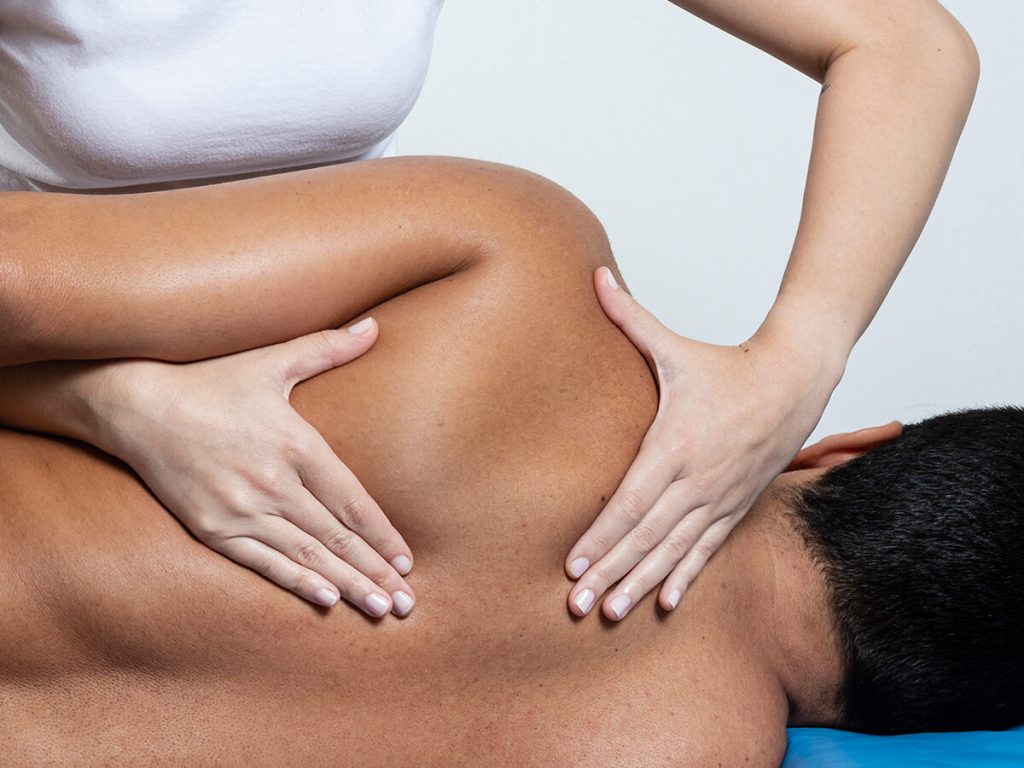
Your desk is a structural hazard. Osteopathy provides a clinical framework to reverse the mechanical damage caused by prolonged, static sitting. The human body is built for locomotion, yet the average professional spends over forty hours a week in a seated position that collapses the chest and strains the cervical spine.
This postural decay is not merely an aesthetic concern; it is a systemic failure of the musculoskeletal system that leads to chronic nerve irritation and restricted circulation. Osteopathy addresses the body as a functional unit, recognising that a headache often originates in a misaligned pelvis or a restricted diaphragm.

The Biomechanical Consequences of Sitting
Sitting creates a specific set of physical distortions that the body eventually adopts as its new “normal.” When you remain in a chair, your hip flexors shorten, your glutes become inactive, and your shoulders roll forward. This creates a chain reaction of compensations:
- Anterior Pelvic Tilt: Tight hip muscles pull the pelvis forward, creating excessive pressure on the lumbar discs.
- Thoracic Kyphosis: The mid-back rounds excessively, limiting the ability of the lungs to expand fully.
- Forward Head Posture: For every centimetre your head moves forward, the weight supported by your neck muscles increases significantly.
- Shoulder Internal Rotation: This compresses the brachial plexus, often leading to tingling or numbness in the hands and fingers.
Quantifying the Impact of Desk Work
The correlation between professional environments and physical deterioration is well-documented in clinical literature. Research indicates that daily computer use is positively correlated with neck/upper back, and lower back pain in office workers, affecting their upper back, neck, lower back, and shoulder pain (Çalik et al., 2020). This persistent strain is cumulative.
Without intervention, these minor aches solidify into chronic conditions that limit your range of motion and decrease your productivity. The pain is a signal from your nervous system that the structural integrity of your spine is being compromised by your environment.
The Osteopathic Philosophy of Whole-Body Health
Osteopathic manual practitioners do not just treat the site of the pain; they identify the primary driver of the dysfunction. The goal is to restore the body’s self-regulating mechanisms by ensuring all tissues are mobile and well-perfused.
Core Principles of Osteopathic Care
- Structure Governs Function: If a joint is not aligned, the muscles and nerves around it cannot perform their tasks efficiently.
- The Body is a Unit: A restriction in the ankle can change how you walk, which eventually manifests as hip or lower back pain.
- The Rule of the Artery is Supreme: Movement is essential for blood and lymph to reach tissues, bringing nutrients and removing metabolic waste.
- Autoregulation: Once structural barriers are removed, the body possesses the inherent ability to heal and maintain health.
Addressing Upper Crossed Syndrome
Most office workers present with a specific pattern of muscle imbalance known as Upper Crossed Syndrome. In this state, the muscles of the chest and the back of the neck are hyper-tonic, while the muscles of the front of the neck and the mid-back are weakened. This creates a “hunchback” appearance that manual therapy works to correct.
While many might seek a deep tissue massage to soothe these tight muscles, osteopathy goes a step further by mobilising the vertebrae of the thoracic spine. By improving the mobility of the bones, the muscles no longer have to work as hard to maintain a vertical posture. This reduction in muscular effort leads to a significant decrease in tension-type headaches and shoulder fatigue.
Reclaiming Lumbar Stability
The lower back is the foundation of your seated posture. When you sit, the lumbar spine loses its natural inward curve, putting immense pressure on the posterior aspects of the spinal discs. Osteopathy focuses on several key areas to alleviate this:
- Sacroiliac Joint Mobility: Ensuring the base of the spine can move independently of the hips.
- Psoas Release: Lengthening the deep hip flexors that attach directly to the lumbar vertebrae.
- Quadratus Lumborum Treatment: Relaxing the muscles that often go into spasm when the lower back is overworked.
- Pelvic Floor Balance: Addressing the deep internal stabilizers that provide the “core” strength needed to sit upright.
Restoring Breath and Circulation
Poor posture directly impacts your ability to breathe. A slumped position compresses the abdominal cavity and prevents the diaphragm from descending fully. This leads to “apical breathing,” where only the top part of the lungs is used. This shallow breathing pattern triggers the sympathetic nervous system, keeping your body in a constant state of high-alert tension.
Osteopathic practitioners work to mobilise the ribs and the sternum. By freeing the rib cage, they allow the diaphragm to function as the primary pump for the lymphatic system. This improved internal movement helps flush out the inflammatory chemicals that build up in the muscles of the back after a long day at the computer. Improved oxygenation of the tissues also reduces the mental fog often associated with long-term postural pain.
The Importance of Fascial Release
Every muscle, bone, and organ is sheathed by a continuous network of connective tissue known as fascia. This biological fabric loses its pliability during prolonged periods of inactivity, “setting” into a restrictive, glue-like state that binds your structural layers together.
Over time, these fascial restrictions become so strong that you cannot sit up straight even if you try. Osteopathy uses myofascial release techniques to break these adhesions. This creates a sense of lightness and ease of movement that is often felt immediately after a session.
Long-Term Preventive Strategies
Recovery is a collaborative process between the practitioner and the patient. To maintain the gains made during a session, office workers must adopt habits that respect their anatomy.
- Monitor Placement: Ensure your screen is at a height that allows your chin to remain tucked and your gaze level.
- Dynamic Sitting: Change your position every twenty minutes to prevent the fascia from hardening.
- Hydration: Dehydrated tissues are more prone to injury and take longer to recover from postural strain.
- Micro-Stretches: Performing chest openers and chin tucks throughout the day to counteract the “inward” pull of desk work.
Integrating Professional Care
Self-care tools like foam rollers and ergonomic chairs are helpful, but they cannot replace the precision of manual therapy. A practitioner can feel the subtle differences in tissue tension and joint movement that a machine or a generic stretch cannot address. By correcting these micro-dysfunctions early, you prevent the development of more serious issues like disc herniations or chronic repetitive strain injuries.
Take Command of Your Physical Longevity
Do not wait for a minor ache to become a permanent limitation. Your career demands your focus, but your body requires your care to sustain that performance. XZ RMT Physio Clinic offers the expert intervention necessary to align your structure with your lifestyle.
Whether you are looking for osteopathic manual therapy, registered massage, or physiotherapy, our clinical team is dedicated to restoring your mobility. Realign your spine and reclaim your energy by contacting us at (905) 203-0988 today. Movement is life; ensure yours is unrestricted.